In a landmark legal case, the Supreme Court has heard arguments regarding birthright citizenship, with attorney Smita Ghosh filing an amicus brief challenging the Trump administration’s restrictive interpretation of the 14th Amendment.
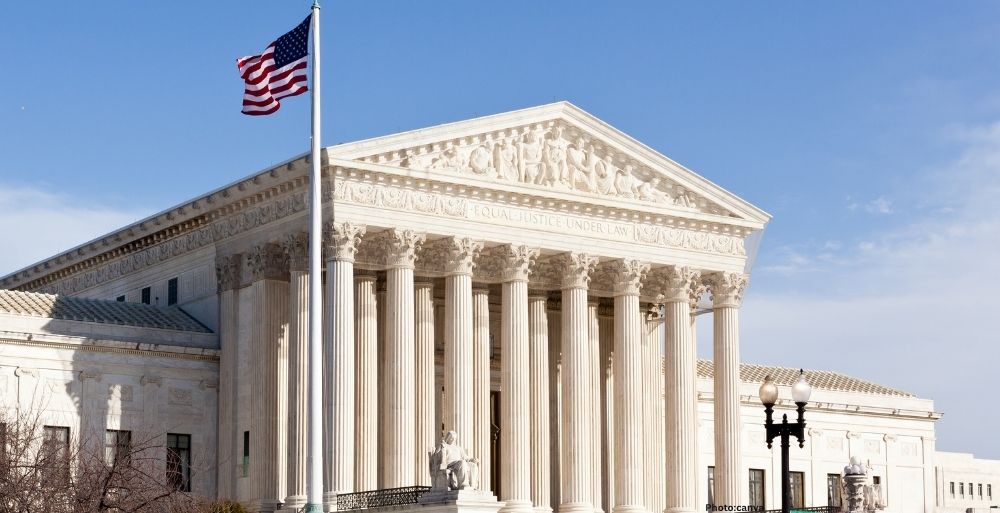
On April 1, 2023, the Supreme Court convened to hear oral arguments in the pivotal case Trump v. Barbara, which examines the constitutionality of an executive order issued by former President Donald Trump that seeks to redefine birthright citizenship in the United States. The case has garnered significant attention not only for its legal implications but also because it marks the first time a sitting U.S. president attended court proceedings related to a lawsuit.
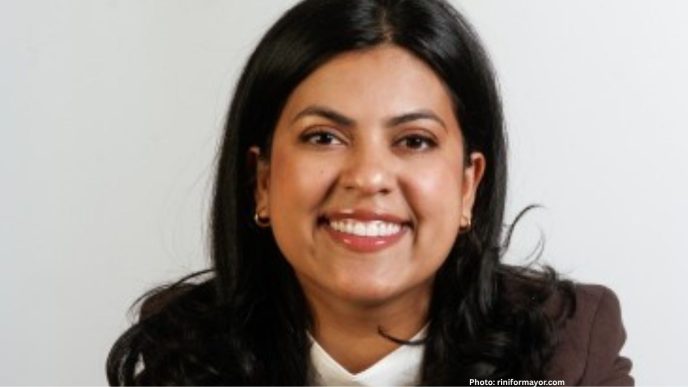
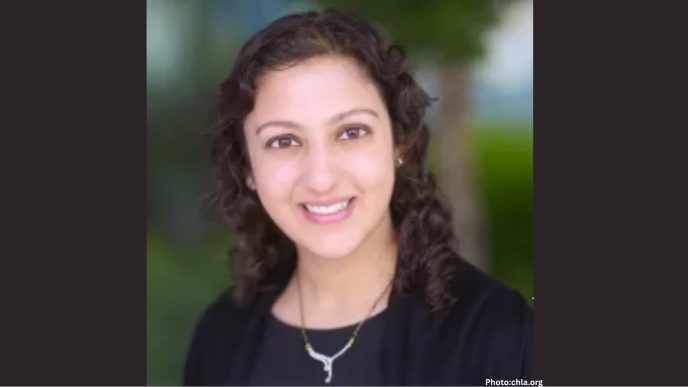
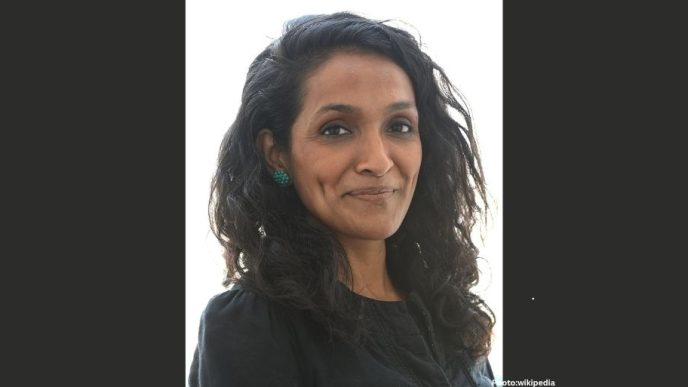
At the heart of this case is Indian American attorney Smita Ghosh, a senior appellate counsel at the Constitutional Accountability Center. Ghosh’s involvement as one of the amici curiae, or “friends of the court,” is aimed at providing the Supreme Court with critical legal insights into the longstanding interpretation of birthright citizenship as enshrined in the 14th Amendment of the U.S. Constitution.
Birthright Citizenship and Its Constitutional Foundations
The central issue in Trump v. Barbara revolves around the interpretation of the 14th Amendment, which guarantees citizenship to anyone born on U.S. soil, regardless of their parents’ immigration status. The Trump administration’s executive order posits that this right could be contingent on the domicile of the parents, a claim that many legal experts, including Ghosh, contend is a misreading of the Constitution.
Ghosh’s amicus brief, co-authored with legal scholars Elizabeth B. Wydra and Brianne J. Gorod, argues that the executive order undermines the original intent of the 14th Amendment and could have severe implications for children born in the U.S. to undocumented immigrants or those in temporary status. The brief emphasizes that altering the established understanding of birthright citizenship could lead to significant legal and social ramifications, particularly for vulnerable populations.
Smita Ghosh’s Legal Career and Expertise
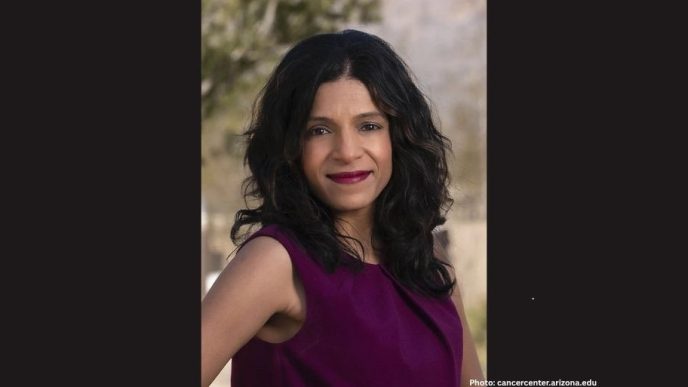
Smita Ghosh has built a distinguished legal career marked by academic achievement and practical experience. Prior to her current role at the Constitutional Accountability Center, she was a research fellow at Georgetown University Law Center, where she taught immigration law and the separation of powers. Additionally, Ghosh served as a Supreme Court fellow at the U.S. Sentencing Commission and worked as a law clerk for Judge Victor Bolden of the U.S. District Court for the District of Connecticut.
Ghosh graduated cum laude from the University of Pennsylvania Law School, where she also obtained a Ph.D. in American history. Her undergraduate degree was earned with high honors from Swarthmore College. In recognition of her contributions to legal scholarship, she was awarded the Kathryn T. Preyer Scholar title by the American Society for Legal History in 2020 for her research on issues related to detention and deportation during the Cold War era.
Supreme Court Proceedings and Reactions
During the oral arguments, Ghosh observed that many justices appeared skeptical of the Trump administration’s stance on birthright citizenship. She noted that even justices appointed by President Trump, such as Justices Amy Coney Barrett and Neil Gorsuch, challenged the government’s claims. They specifically questioned the assertion that the citizenship of a newborn could depend on their parents’ domicile status, highlighting the potential weaknesses in the administration’s legal arguments.
In a statement following the arguments, Ghosh remarked, “At the Court this morning, many justices appeared skeptical of the Trump administration’s effort to withhold birthright citizenship from children of undocumented or temporarily present parents.” Her comments reflect the broader concern among legal advocates regarding the implications of the case, which could significantly alter the landscape of immigration policy and citizenship rights in the United States.
Broader Implications of the Case
The outcome of Trump v. Barbara is poised to have far-reaching consequences not just for birthright citizenship but also for the legal rights of millions of individuals residing in the U.S. The case has the potential to redefine the parameters of citizenship at a time when immigration policy remains a contentious issue in American politics.
Legal experts and advocates for immigrant rights are closely monitoring the Supreme Court’s deliberations, as a ruling against the Trump administration’s interpretation could reaffirm the constitutional guarantee of citizenship for all individuals born on U.S. soil. Conversely, a ruling in favor of the administration could lead to significant changes in how citizenship is determined in future cases, particularly affecting children born to immigrants without legal status.
As the Supreme Court prepares to issue its ruling, the legal community remains vigilant, anticipating a decision that will shape the future of citizenship and its accessibility for generations to come. The implications of this case extend beyond legal doctrine; they resonate deeply within the social fabric of the nation, influencing discussions around identity, belonging, and the rights of the most vulnerable members of society.