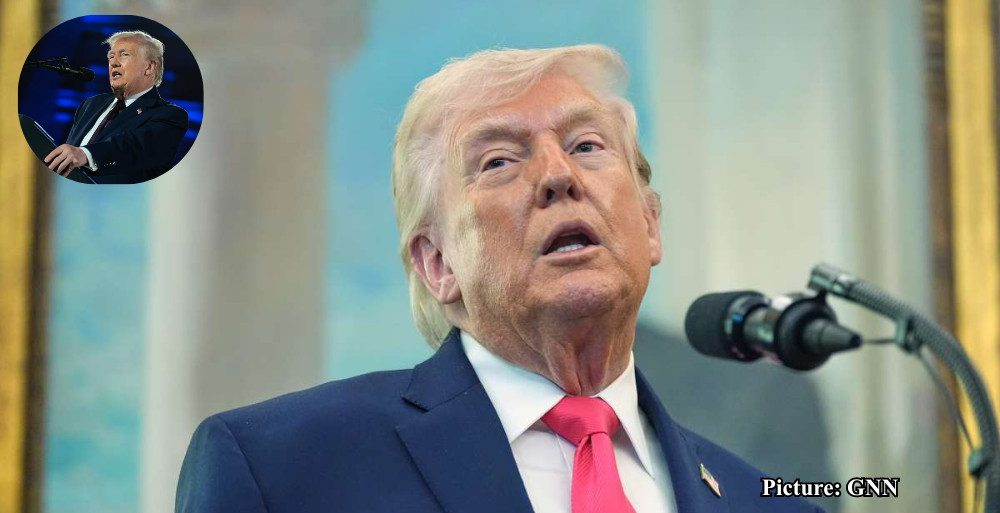
President Donald Trump has intensified his criticism of NATO, suggesting a potential withdrawal from the alliance while tensions escalate over the ongoing Iran conflict, raising concerns about the future of trans-Atlantic relations.
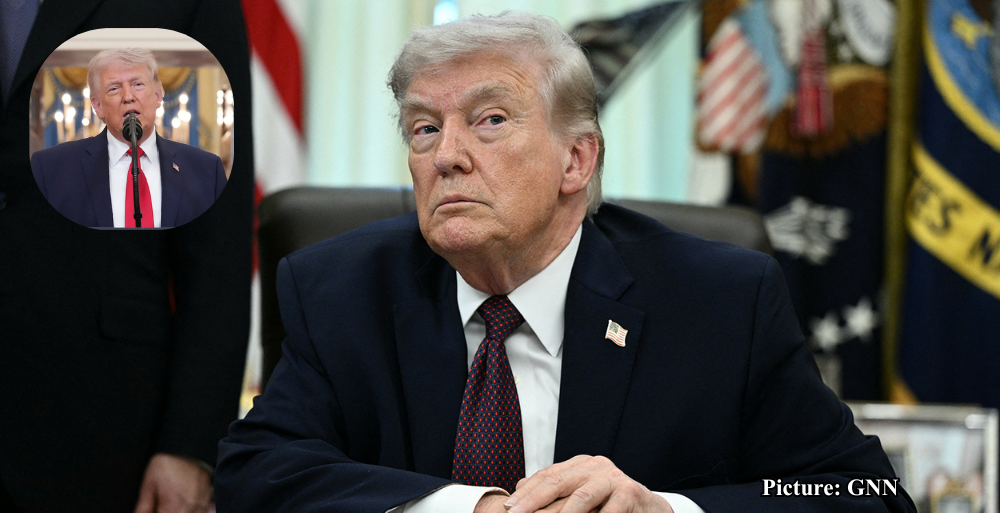
WASHINGTON (AP) — President Donald Trump has expressed dissatisfaction with NATO, hinting at the possibility of withdrawing from the alliance during a recent private lunch at the White House, as tensions over the Iran conflict mount. During the gathering, which was shared online by a Business Insider reporter, Trump stated, “NATO treated us very badly, and you have to remember it because they’ll be treating us badly again if we ever need them.”
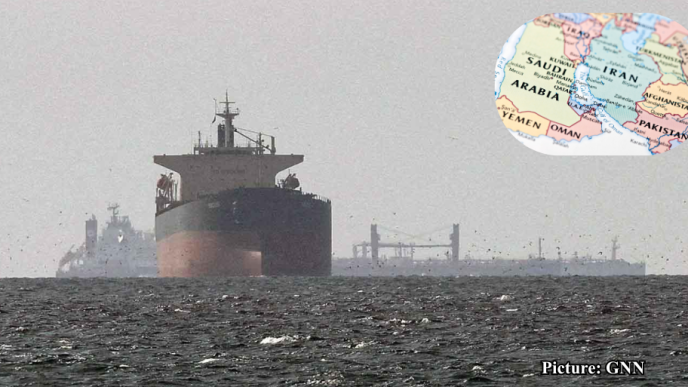
In an interview published by The Telegraph on Wednesday, Trump reiterated his frustrations, suggesting that he could consider leaving NATO altogether. Notably, during a televised address later that evening regarding the Iran war, Trump refrained from mentioning NATO directly, instead emphasizing that countries reliant on oil from the Strait of Hormuz “must grab it and cherish it” due to the United States’ reluctance to secure it.
Historical Context of NATO Relations
Trump’s growing displeasure with NATO reflects a broader ideological divide that has been evident throughout his presidency. The potential ramifications of U.S. withdrawal from NATO could be significant, potentially undermining the collective security framework established by the alliance. NATO, which operates on the principle of collective defense as outlined in Article 5 of its founding treaty, has historically been a bulwark against aggression, particularly from Russia.
In 2023, Congress passed legislation aimed at preventing any president from unilaterally withdrawing from NATO without congressional approval. This law emerged in direct response to concerns raised during Trump’s first term, when the administration asserted that the president held the authority to withdraw from such international agreements independently. This new legislation, seen as a significant check on presidential power, was notably championed by then-Senator Marco Rubio, who served as Trump’s Secretary of State.
International Reactions and Diplomatic Efforts
As tensions rise, diplomatic initiatives are underway to strengthen ties with NATO. NATO Secretary-General Mark Rutte is scheduled to visit Washington next week, a trip confirmed by a White House official who requested anonymity. British Prime Minister Keir Starmer has publicly reaffirmed the U.K.’s commitment to NATO, describing it as “the single most effective military alliance the world has ever seen.”
In a joint statement issued before Trump’s address, U.S. Senators Mitch McConnell (R-KY) and Chris Coons (D-DE) emphasized the significance of NATO, asserting that it is “the most successful military alliance in history” and that the Senate will continue to support the alliance for the peace and protection it provides to the U.S., Europe, and globally.
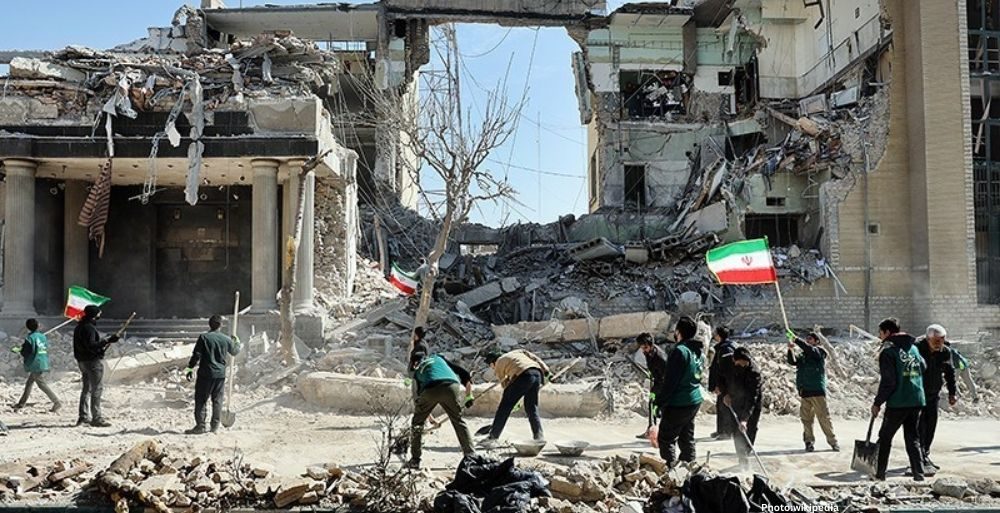
European leaders face growing pressure as the Iran conflict escalates, leading to soaring petroleum prices and regional instability, particularly as Iran has effectively restricted access through the Strait of Hormuz, a critical passage for global oil supply.
Calls for Greater Responsibility
In light of rising energy prices, Trump has criticized NATO allies, labeling them “cowards” for not deploying military resources to the Strait of Hormuz. This rhetoric echoes longstanding themes from his administration, advocating for European partners to take greater responsibility for their own security. During a recent appearance on Fox News, Rubio expressed the need to reevaluate the alliance, questioning whether NATO has transitioned into a “one-way street” where the U.S. bears the brunt of defense responsibilities.
The potential unraveling of NATO could weaken its deterrent capacity, particularly concerning Russia, which may seek to exploit any perceived fractures within the alliance amid ongoing tensions related to the conflict in Ukraine.
Implications for Collective Security
As the conflict in Iran progresses, the implications for NATO’s collective security framework become increasingly critical. Missiles and drones have targeted NATO member Turkey and a British military base on Cyprus, raising speculation about when NATO might invoke its collective security provisions. However, the alliance has yet to signal any intention to intervene directly in the conflict.
The operational consensus required by NATO, where all 32 member states must agree on major decisions, complicates the prospect of a unified response. Even invoking Article 5 necessitates consensus among allies, meaning that unilateral actions by individual nations, such as Turkey or the U.K., cannot trigger collective defense alone.
European Opposition to Military Actions
European leaders are increasingly vocal in their opposition to U.S. military actions in the Middle East, advocating for peaceful negotiations over escalating hostilities. Spain has closed its airspace to U.S. aircraft involved in operations against Iran, while France has allowed American forces access to a base in southern France, contingent on guarantees against involvement in strikes.
Italy, under Prime Minister Giorgia Meloni, has also taken a stand by denying permission for U.S. bombers to access bases for operations related to the conflict. Political analysts suggest that such decisions may impact Meloni’s standing with U.S. leaders, as she navigates the delicate balance between domestic and international pressures.
Overall, the deterioration of U.S.-European relations has been evident, further exacerbated by previous contentious remarks from Trump regarding Greenland, which prompted EU countries to rally behind Denmark. This backdrop of geopolitical tension underscores the challenges facing NATO amidst an evolving global landscape.